Solar farms and battery storage (BESS) developments are rapidly expanding across rural NSW. This guide explains how these projects are approved, key planning constraints, and the role of a town planner in the process.

The rapid rise of solar farms and Battery Energy Storage Systems (BESS) throughout rural New South Wales is transforming the State’s renewable energy landscape. Driven by increasing energy demands, rising electricity costs associated with traditional fossil fuel-based power generation and the transition toward cleaner energy sources, large-scale renewable energy developments are becoming increasingly common across regional NSW. Many of these projects are being established on existing rural land that is no longer considered economically viable for traditional agricultural purposes, creating new opportunities for landowners while contributing to broader energy security and sustainability objectives.
While solar farm and battery storage developments can provide significant public and economic benefits, including improved energy reliability, employment opportunities and investment within regional communities, these projects can also generate uncertainty and concern amongst nearby residents and local communities. Matters relating to visual impacts, land use compatibility, bushfire risk, traffic generation, biodiversity impacts and the scale of infrastructure are often key considerations during the planning and assessment process.
As a result, it is critical that renewable energy developments are supported by a well-considered and strategically prepared planning assessment that clearly demonstrates the suitability of the proposal and appropriately addresses all relevant environmental and community concerns. This is where the role of an experienced town planner becomes essential. Through detailed site analysis, strategic planning advice and coordination of specialist consultant inputs, the planning process can assist in ensuring that the strongest possible case is put forward in support of a proposed solar farm or BESS development approval.
Historically, many rural landholdings throughout NSW with limited agricultural productivity or operational viability often had little practical use beyond passive holding or storage purposes. This commonly included smaller rural allotments, isolated parcels with constrained physical access, or land affected by environmental or topographical limitations that restricted grazing, cropping or other agricultural activities. In many cases, rural zoning controls also limited the ability to utilise these sites for alternative forms of development, resulting in land that generated minimal economic return for landowners.
The emergence of solar farms and Battery Energy Storage Systems (BESS) has created new opportunities for these previously underutilised rural landholdings. Importantly, these developments can often provide a substantial uplift in land value and long-term economic benefit without requiring rezoning of the land or permanently compromising its future use. Many renewable energy developments can be decommissioned at the end of their operational life, allowing the land to potentially revert to agricultural or other rural purposes in the future. This flexibility has become an increasingly attractive proposition for both landowners and renewable energy providers across regional NSW.
The suitability of many rural areas within NSW for renewable energy development has also contributed significantly to the rise of solar farm and BESS proposals. Large open landholdings, relatively flat or gently undulating topography, extensive solar exposure, lower rainfall levels and long periods of high-intensity sunlight create ideal conditions for efficient solar energy generation. In addition, many rural areas are strategically located near existing transmission infrastructure, allowing renewable energy projects to integrate more effectively into the broader electricity network. These factors have positioned regional NSW as one of the key locations for renewable energy investment and development throughout Australia.
While solar farm and Battery Energy Storage System (BESS) developments provide significant economic and public infrastructure benefits, obtaining development approval for these projects can often be highly complex. Due to the scale of the developments, their location within rural environments and the potential environmental and community impacts associated with them, renewable energy projects are typically subject to detailed planning assessment and extensive technical investigation.
Depending on the size and nature of the proposal, developments may require a broad range of specialist assessments relating to biodiversity, bushfire, traffic, heritage, visual impacts, noise, hazards and electrical infrastructure. Battery Energy Storage Systems (BESS) in particular can involve additional scrutiny regarding fire safety, emergency response planning and hazard management due to the use of large-scale lithium-ion battery technology.
In addition to technical considerations, community consultation often plays a significant role in the approval process. While public opinion has increasingly shifted toward supporting renewable and green energy initiatives at a broader societal level, there can still be strong localised opposition to individual projects, particularly where developments are proposed in close proximity to existing rural communities. This is commonly associated with a “not in my backyard” sentiment, where support for renewable energy infrastructure can diminish when developments are proposed near privately owned land or established rural settlements.
Concerns relating to hazard and safety risks associated with large-scale Battery Energy Storage Systems (BESS), including fire risk and emergency response capability, are often amongst the most significant issues raised during community consultation. Similarly, the use of extensive rural landholdings for renewable energy infrastructure can also generate concerns regarding Aboriginal heritage impacts, biodiversity impacts and the perceived loss of productive agricultural land. Questions relating to the long-term agri-economic implications of removing land from primary production are also commonly raised by surrounding landowners and community stakeholders.
As a result, renewable energy projects must be supported by comprehensive planning assessments and detailed technical investigations that appropriately address both environmental and community concerns. Demonstrating that a proposal has been carefully considered, strategically located and capable of operating safely and responsibly is often a critical component of the overall approval process.
Given the complexity associated with solar farm and Battery Energy Storage System (BESS) developments, undertaking detailed planning due diligence and site assessment at an early stage is critical. Identifying potential constraints early in the process can significantly reduce approval risks, avoid unnecessary consultant costs and assist in determining whether a site is suitable for renewable energy development before substantial investment occurs.
Key considerations such as zoning permissibility, proximity to transmission infrastructure, biodiversity constraints, bushfire risk, Aboriginal heritage sensitivity, flooding, topography, site access and surrounding land uses can all influence the overall feasibility of a proposed development. Early identification of these issues allows for more strategic project design and can assist in minimising potential environmental and community impacts prior to lodgement of a development application.
Strategic planning input also plays an important role in coordinating the broader consultant team typically required for renewable energy projects. Depending on the scale of the proposal, this may involve biodiversity specialists, bushfire consultants, traffic engineers, acoustic consultants, hazard specialists, heritage consultants and visual impact assessors. Ensuring that these technical assessments align with the overall planning strategy is essential to presenting a comprehensive and well-supported application.
At Town Planning Collective, we have experience assisting with solar farm and BESS developments throughout regional NSW and understand the complexities associated with renewable energy approvals. Our role often involves undertaking early-stage planning assessments, coordinating consultant inputs and preparing strategic planning documentation to support development applications and approval pathways for renewable energy projects across the State.
Renewable energy developments often involve complex planning pathways and extensive coordination between project stakeholders, consultants, government agencies and local communities. As a result, the involvement of an experienced town planner from the early stages of a project can play a significant role in streamlining the approval process and identifying potential issues before they become costly delays.
Town planners assist in assessing the suitability of land for renewable energy development, identifying planning constraints, advising on applicable approval pathways and coordinating the preparation of planning documentation required to support a development application. This can include Statements of Environmental Effects (SEE), Environmental Impact Statements (EIS), strategic planning assessments and responses to agency or Council requests for additional information.
Given the scale and technical complexity of many solar farm and Battery Energy Storage System (BESS) developments, town planners also commonly assist in coordinating specialist consultant inputs to ensure that technical reporting aligns with the broader planning strategy for the project. This may include biodiversity, bushfire, traffic, acoustic, hazard, visual impact and heritage assessments.
At Town Planning Collective, we have experience assisting with renewable energy developments throughout regional NSW and understand the strategic planning considerations associated with these projects. We assist clients through various stages of the approval process, from early feasibility and due diligence assessments through to development application support and ongoing planning advice throughout the assessment process.
At Town Planning Collective, we provide strategic planning support for solar farm and Battery Energy Storage System (BESS) developments throughout regional NSW. Given the scale and complexity of renewable energy projects, early planning input can play a critical role in identifying constraints, streamlining the approval process and ensuring that applications are supported by a comprehensive and well-coordinated planning strategy.
Our services for renewable energy developments include:
We regularly work alongside specialist consultant teams and understand the importance of ensuring that all technical reporting aligns with the broader planning strategy and approval framework for the project.
Solar farm and Battery Energy Storage System (BESS) developments are continuing to play an increasingly important role in the future of energy generation throughout New South Wales. As the demand for renewable energy infrastructure grows, regional and rural areas across the State are expected to continue experiencing significant investment in renewable energy projects due to their land availability, solar exposure and proximity to existing infrastructure networks.
While these developments can provide substantial economic, environmental and community benefits, the planning and approval process can often be highly complex due to the scale of the projects, environmental considerations and the level of community scrutiny commonly associated with renewable energy infrastructure. As a result, ensuring that projects are strategically planned, appropriately justified and supported by comprehensive technical reporting is critical to navigating the approval process successfully.
At Town Planning Collective, we understand the unique planning challenges associated with solar farm and BESS developments and have experience assisting with renewable energy projects across NSW. We also recognise that many projects within this sector involve commercially sensitive information and are frequently undertaken under strict confidentiality arrangements and Non-Disclosure Agreements (NDAs). Our experience within the renewable energy approval space allows us to assist clients professionally and discreetly while navigating the complex planning pathways associated with these developments.
Whether assisting with early feasibility advice, planning approvals or strategic assessment coordination, our team can provide practical and experienced planning support tailored to renewable energy developments throughout regional NSW.
Fill out the form below to get assistance with your Renewable energy project

Solar farms and battery storage (BESS) developments are rapidly expanding across rural NSW. This guide explains how these projects are approved, key planning constraints, and the role of a town planner in the process.


Lodged your DA and Council now wants a Heritage Impact Statement? If you’ve missed a heritage report in NSW, acting quickly is critical. We specialise in urgent, council-ready Heritage Impact Statements — often delivered within 48 hours. Here’s how to fix it fast and keep your project moving.

On average our statement of environmental effects and heritage impacts statements are delivered within two weeks of acceptance (or final plans). We pride ourselves on our fast delivery of expert technical reports for development applications. This fast turn around saves our clients time and money to get their DAs approved faster.

A Heritage Impact Statement (HIS) explains how proposed works may affect the heritage significance of a property or area. Learn when you need one and how to prepare an HIS that supports your development application in NSW.

We have been engaged for many development applications for change of use and other developments within the Queen Victoria Building. The site is a state heritage listed property that has a wonderful history. We have provided heritage impact statements for the fit out and change of use for stores within the building as any works within the historic building require development approval from Council.
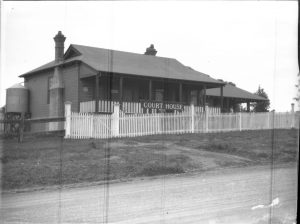
Heritage impact statements can be expensive. We understand that this report can sometimes be the most expensive report for a development application. We go into detail of what goes into the report and how you can minimise your costs to obtain a HIS.
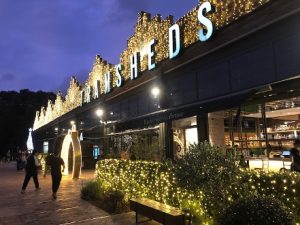
We have been engaged for many development applications for change of use and other developments within the Tramsheds complex at Forest Lodge. The site is a heritage listed property that has undergone substantial rejuvenation to turn a once dilapidated building into a thriving retail/food destination.

We recently worked on a project within “The Spot”, a heritage conservation area within Randwick Council. The project was for alterations and additions to an existing semi-detached dwelling. We give some information about the project and how we assisted our clients with their development application.

Property developers best friend is knowledge! Make an informed decision on your next property purchase by getting a pre-purchase feasibility report for as little as $400. Determine whether you can subdivide a site, building a duplex or a town house development before making an offer on the site.

Planning a renovation within a heritage conservation area? We talk about the requirements and what you can and can’t do without approval. Find out what is required with any development application and the process with heritage conservation areas and how to obtain approval with our help.

The statement of environmental effects is the most important report for a development application with Council. It is the cornerstone of any good development application and provides details of the development and an assessment of the compliance of the proposal against the relevant legislation and development controls (LEP and DCP). A good statement of environmental effects can make the difference between an approval or a refusal and can streamline the timeframe of the process.
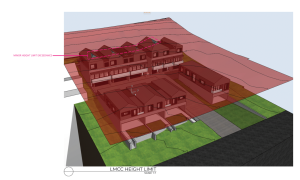
Where a development doesn’t comply with the LEP development standard (such as minimum lot size, height of building and Floor Space Ratio) a variation to the development standard can be sought through the inclusion of a clause 4.6 report. We provide details regarding the report and where a variation might be appropriate.
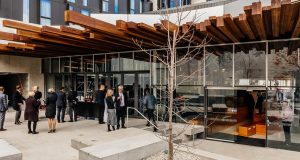
Crime Prevention through Environmental Design (CPTED) is a crime prevention strategy that focuses on the planning, design and structure of cities and neighbourhoods. We discuss the principles of CPTED that are required to be assessed in any Crime Risk Reports for development applications.
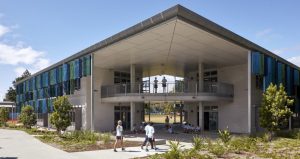
Review of Environmental Factors State Environmental Planning Policy (Transport and Infrastructure) 2021 allows schools, TAFE and Universities to obtain approval for developments without requiring Council Development Application approval. We explain the process and what types of development can be achieved without Council approval.

Change of use and fitouts for cafes, shops etc within heritage buildings or conservation areas require Council approval. Find out what is required with any development application to obtain your approval and start operating.
Town Planning Collective is a professional town planning and heritage consulting practice providing expert advice and approval support for development applications across Sydney and New South Wales. We specialise in navigating local planning controls, heritage requirements, and council approval processes for residential and small-scale developments.
Sydney NSW
Greater Sydney
Regional New South Wales
Copyright 2026 Town Planning Collective