

Solar farms and battery storage (BESS) developments are rapidly expanding across rural NSW. This guide explains how these projects are approved, key planning constraints, and the role of a town planner in the process.
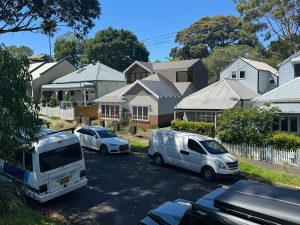
Lodged your DA and Council now wants a Heritage Impact Statement? If you’ve missed a heritage report in NSW, acting quickly is critical. We specialise in urgent, council-ready Heritage Impact Statements — often delivered within 48 hours. Here’s how to fix it fast and keep your project moving.

On average our statement of environmental effects and heritage impacts statements are delivered within two weeks of acceptance (or final plans). We pride ourselves on our fast delivery of expert technical reports for development applications. This fast turn around saves our clients time and money to get their DAs approved faster.
A Heritage Impact Statement (HIS) explains how proposed works may affect the heritage significance of a property or area. Learn when you need one and how to prepare an HIS that supports your development application in NSW.
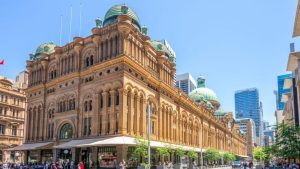
We have been engaged for many development applications for change of use and other developments within the Queen Victoria Building. The site is a state heritage listed property that has a wonderful history. We have provided heritage impact statements for the fit out and change of use for stores within the building as any works within the historic building require development approval from Council.
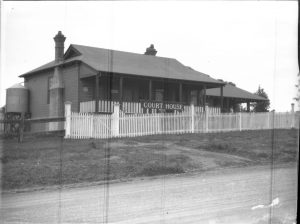
Heritage impact statements can be expensive. We understand that this report can sometimes be the most expensive report for a development application. We go into detail of what goes into the report and how you can minimise your costs to obtain a HIS.
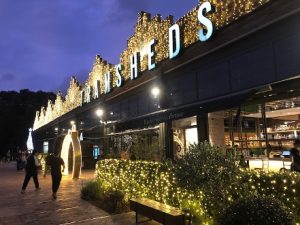
We have been engaged for many development applications for change of use and other developments within the Tramsheds complex at Forest Lodge. The site is a heritage listed property that has undergone substantial rejuvenation to turn a once dilapidated building into a thriving retail/food destination.
We recently worked on a project within “The Spot”, a heritage conservation area within Randwick Council. The project was for alterations and additions to an existing semi-detached dwelling. We give some information about the project and how we assisted our clients with their development application.
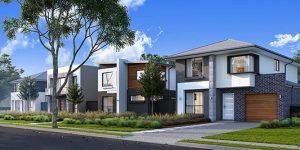
Property developers best friend is knowledge! Make an informed decision on your next property purchase by getting a pre-purchase feasibility report for as little as $400. Determine whether you can subdivide a site, building a duplex or a town house development before making an offer on the site.
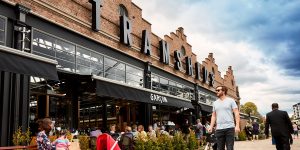
Planning a renovation within a heritage conservation area? We talk about the requirements and what you can and can’t do without approval. Find out what is required with any development application and the process with heritage conservation areas and how to obtain approval with our help.

The statement of environmental effects is the most important report for a development application with Council. It is the cornerstone of any good development application and provides details of the development and an assessment of the compliance of the proposal against the relevant legislation and development controls (LEP and DCP). A good statement of environmental effects can make the difference between an approval or a refusal and can streamline the timeframe of the process.
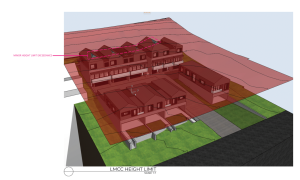
Where a development doesn’t comply with the LEP development standard (such as minimum lot size, height of building and Floor Space Ratio) a variation to the development standard can be sought through the inclusion of a clause 4.6 report. We provide details regarding the report and where a variation might be appropriate.
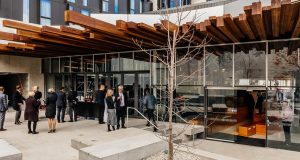
Crime Prevention through Environmental Design (CPTED) is a crime prevention strategy that focuses on the planning, design and structure of cities and neighbourhoods. We discuss the principles of CPTED that are required to be assessed in any Crime Risk Reports for development applications.