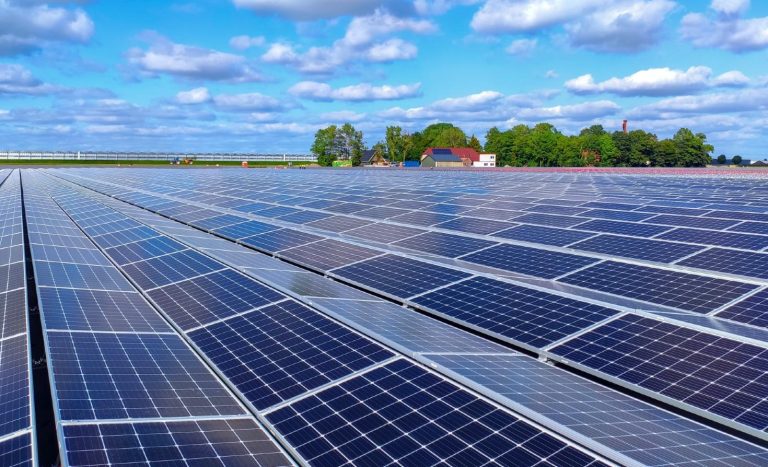
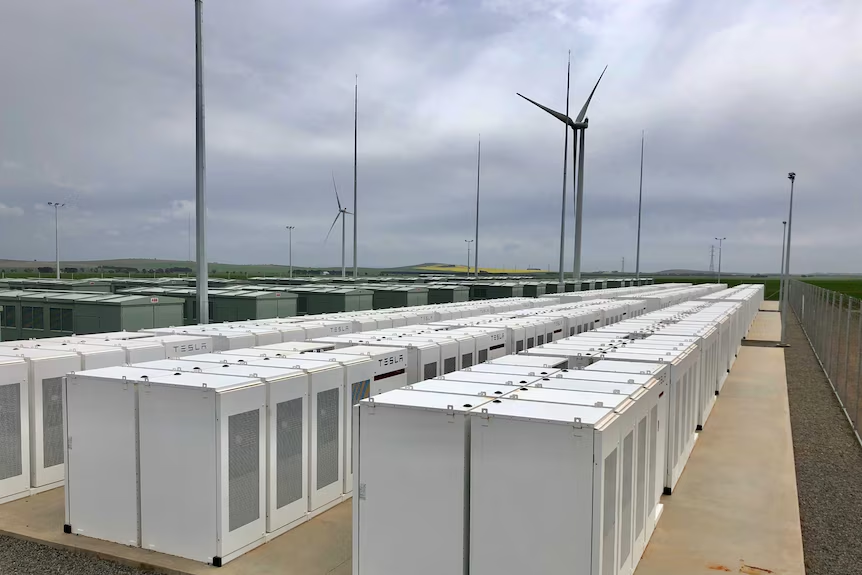
While solar farm and Battery Energy Storage System (BESS) developments provide significant economic and public infrastructure benefits, obtaining development approval for these projects can often be highly complex. Due to the scale of the developments, their location within rural environments and the potential environmental and community impacts associated with them, renewable energy projects are typically subject to detailed planning assessment and extensive technical investigation.
Depending on the size and nature of the proposal, developments may require a broad range of specialist assessments relating to biodiversity, bushfire, traffic, heritage, visual impacts, noise, hazards and electrical infrastructure. Battery Energy Storage Systems (BESS) in particular can involve additional scrutiny regarding fire safety, emergency response planning and hazard management due to the use of large-scale lithium-ion battery technology.
In addition to technical considerations, community consultation often plays a significant role in the approval process. While public opinion has increasingly shifted toward supporting renewable and green energy initiatives at a broader societal level, there can still be strong localised opposition to individual projects, particularly where developments are proposed in close proximity to existing rural communities. This is commonly associated with a “not in my backyard” sentiment, where support for renewable energy infrastructure can diminish when developments are proposed near privately owned land or established rural settlements.
Concerns relating to hazard and safety risks associated with large-scale Battery Energy Storage Systems (BESS), including fire risk and emergency response capability, are often amongst the most significant issues raised during community consultation. Similarly, the use of extensive rural landholdings for renewable energy infrastructure can also generate concerns regarding Aboriginal heritage impacts, biodiversity impacts and the perceived loss of productive agricultural land. Questions relating to the long-term agri-economic implications of removing land from primary production are also commonly raised by surrounding landowners and community stakeholders.
As a result, renewable energy projects must be supported by comprehensive planning assessments and detailed technical investigations that appropriately address both environmental and community concerns. Demonstrating that a proposal has been carefully considered, strategically located and capable of operating safely and responsibly is often a critical component of the overall approval process.